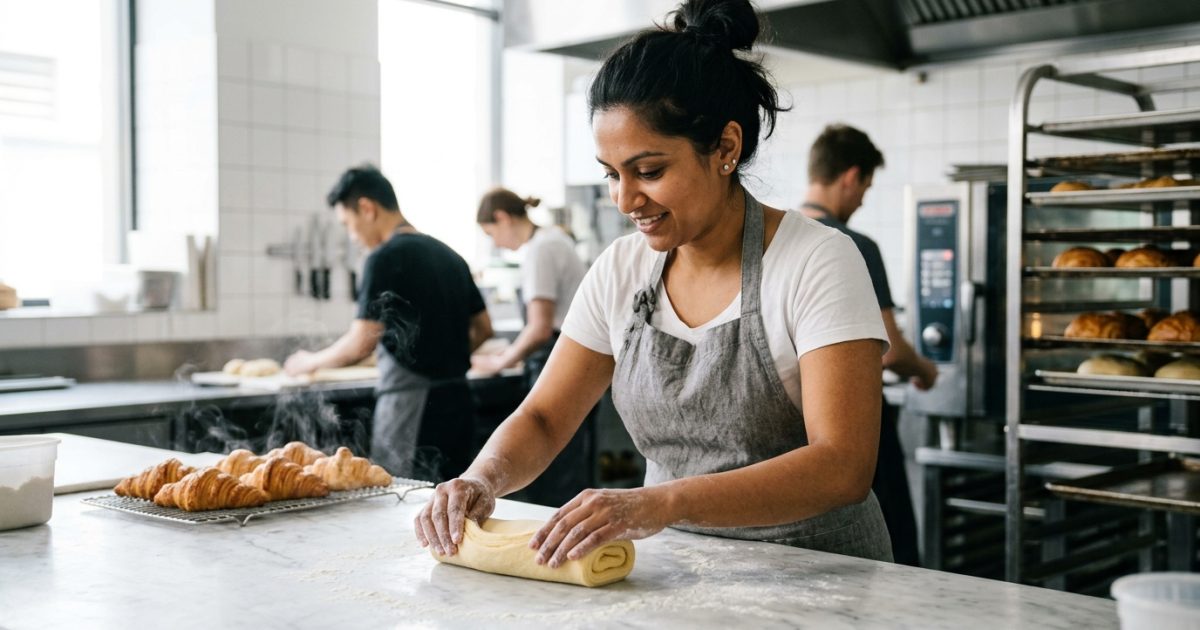
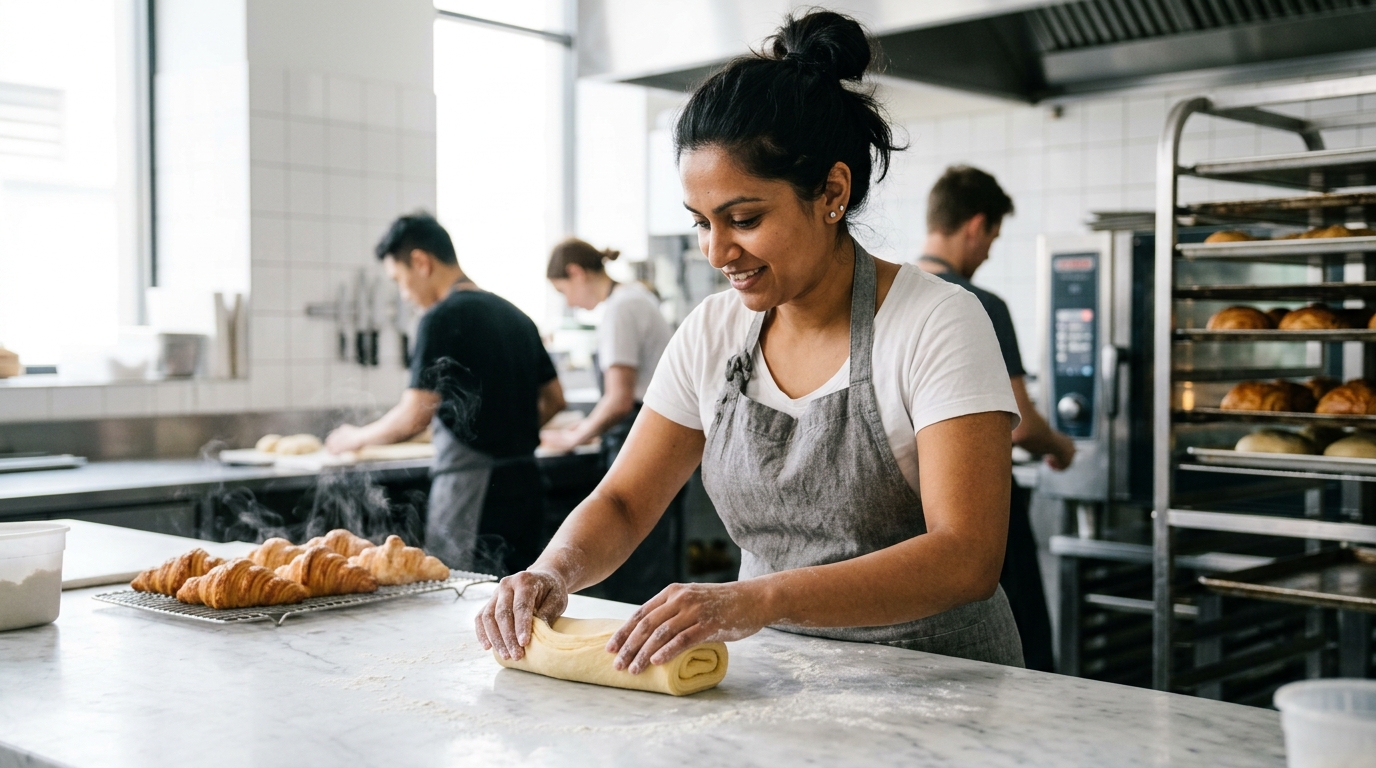
A great croissant delivers laminated, buttery layers with a crisp exterior and a light, honeycomb interior — a result of precise dough work and quality ingredients. Picking the wrong one means settling for a dense, greasy, or flavourless product when Sydney’s bakery scene offers far better options.
What to Look for in a Croissant in Sydney
Licensing and Credentials
Any commercial bakery or café selling croissants in Sydney must comply with NSW Food Authority regulations, including food safety supervisor certification. Ask whether the baker holds a current food handler certificate and operates from a registered food premises.
Insurance and Public Liability
Reputable bakeries and patisseries carry public liability insurance, which matters if you are ordering for events or wholesale supply. A business that cannot confirm its insurance coverage is one worth avoiding for large or catered orders.
Experience and Specialisation
Classic French-style croissants require a baker trained in laminated dough techniques, which takes years to develop properly. Look for bakers who have trained in a French patisserie tradition or completed formal pastry qualifications, rather than those who produce croissants as an afterthought alongside other baked goods.
Reviews and Word of Mouth
Google, Broadsheet Sydney, and Time Out Sydney are reliable sources for croissant-specific reviews. Prioritise venues with consistent praise for texture and freshness across multiple reviewers, not just a single viral post.
Transparent Quoting
For wholesale or event orders, a reputable supplier will provide written pricing that covers unit cost, minimum order quantities, delivery fees, and lead times. Verbal-only quotes are a risk for anyone ordering in volume for a function or café resale.
Warranty and Guarantees
Good bakeries stand behind their product with a clear freshness guarantee and a straightforward replacement policy if an order does not meet agreed specifications. If a supplier refuses to discuss what happens when something is wrong, that is a signal to look elsewhere.
Questions to Ask Before Hiring
- What fat is used in the dough — butter or margarine? (Pure butter is the standard for a quality croissant, and any substitution affects flavour and texture significantly.)
- How many times is the dough folded during lamination, and how long does the full process take from start to finish?
- Are the croissants baked fresh on-site each morning, or delivered par-baked and finished in a deck oven?
- Do you offer wholesale or regular weekly orders, and what is the minimum quantity and lead time required for a standing order in Sydney?
- Can I visit the kitchen or see a production certificate to confirm the premises is registered with the NSW Food Authority?
- What is your replacement or refund policy if croissants arrive damaged, underbaked, or do not meet the agreed specification?
- Do you source flour and butter locally, and can you name your key suppliers?
Red Flags to Watch Out For
- Red flag: The croissant is pale, soft, and pulls apart in a doughy, bready texture rather than shattering into flaky layers — a sign the dough was under-laminated or the butter content is too low.
- Red flag: The bakery cannot tell you whether croissants are baked fresh on the day or how old the display stock is, which suggests poor rotation practices.
- Red flag: A wholesale supplier quotes verbally without providing a written price list, delivery schedule, or minimum order terms in writing.
- Red flag: The business has no verifiable address, no food authority registration, or operates purely from a home kitchen without declaring it — all of which are compliance issues under NSW food law.
- Red flag: Reviews consistently mention that the product varies widely from one visit to the next, which points to inconsistent production rather than a minor off-day.

Frequently Asked Questions
How long does it take to find a good Croissant in Sydney?
Most people can identify a reliable source within a week by visiting three or four well-reviewed bakeries across inner Sydney suburbs such as Surry Hills, Newtown, Barangaroo, or the CBD. Reading recent Broadsheet and Time Out reviews before visiting saves time and narrows the shortlist quickly. Wholesale buyers should allow two to three weeks for supplier comparison and a trial order.
What’s the average cost of a Croissant in Sydney?
A standard plain butter croissant at a quality Sydney patisserie typically costs between AUD $5.00 and AUD $8.50 in 2026. Filled or specialty croissants (almond, croque monsieur, or seasonal flavours) range from AUD $7.00 to AUD $12.00. Wholesale pricing for cafés usually sits between AUD $2.50 and AUD $4.50 per unit depending on volume and the supplier’s production model.
Do I need to get multiple quotes for Croissant in Sydney?
For personal consumption, comparing a handful of bakeries directly is enough. For event catering or wholesale supply, getting at least three written quotes is sensible, as pricing, minimum quantities, and delivery terms vary considerably across Sydney suppliers. A trial order with your top two options before committing to a regular arrangement is worth the upfront cost.
Choosing a croissant in Sydney comes down to four things: confirmed use of pure butter, fresh daily baking, a premises registered with the NSW Food Authority, and a supplier willing to put pricing and policies in writing. Whether you are buying a single pastry or placing a weekly wholesale order, those criteria separate serious producers from the rest. Start your search with our guide to the Best Croissant in Sydney (2026).