Quick price summary: Restaurants in Sydney (2026)
- Low end: $10–$20 per person
- Mid-range: $35–$75 per person
- High end / enterprise: $100–$300+ per person
Prices in AUD. Last updated 2026.
Eating out in Sydney covers everything from a $12 banh mi grabbed near Central Station to a $280 degustation in the CBD. The city’s restaurant scene spans casual food courts, neighbourhood bistros, waterfront dining rooms, and chef-driven tasting menus, each sitting at a very different price point. Understanding what drives those differences helps you budget accurately, whether you’re planning a weekly meal routine, a special occasion dinner, or a regular work lunch.
Costs vary for several concrete reasons: location (a restaurant in Bondi Beach or the CBD carries higher rent than one in Parramatta or Newtown), the type of cuisine, whether a venue is licensed to serve alcohol, staffing levels, and how much of the menu relies on premium local or imported ingredients. A Thai restaurant in Cabramatta and a modern Australian restaurant overlooking the harbour are both “restaurants in Sydney,” but they operate in entirely different cost structures, and that flows directly to the price on your plate.

What Do Restaurants Cost in Sydney?
At the affordable end, a sit-down meal at a casual eatery, food hall, or local ethnic restaurant typically runs between $10 and $20 per person. This covers a main dish, sometimes with a soft drink or water included. Popular spots in suburbs like Parramatta, Cabramatta, Haymarket, and Campsie regularly deliver this kind of value, particularly for Vietnamese, Chinese, Indian, and Turkish cuisines. University precincts near USYD and UTS also have a cluster of affordable options aimed at students eating on a daily budget.
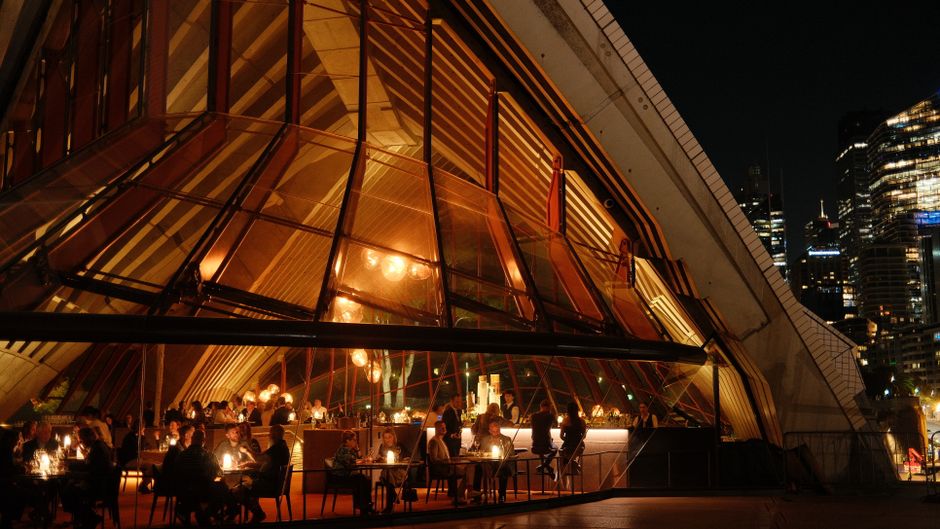
Mid-range dining, which accounts for the bulk of Sydney restaurant visits, sits between $35 and $75 per person including a drink. This tier covers licensed bistros, modern Australian venues, Italian trattorias, Japanese omakase counters, and most of the well-reviewed neighbourhood restaurants across suburbs like Surry Hills, Newtown, Balmain, and Crows Nest. At the top of the market, a formal dining experience at a restaurant holding a chef’s hat rating or a waterfront venue in areas like Circular Quay, Darling Harbour, or Bondi can easily reach $150 to $300 per person, particularly when a matched wine or cocktail pairing is added.
Price Breakdown by Service Level
| Service Level | What You Get | Typical Price Range | Best For |
|---|---|---|---|
| Budget / Casual | Single main course, basic setting, counter or table service, no alcohol licence or BYO | $10–$20 per person | Students, daily lunches, quick weeknight meals, families watching spend |
| Mid-Range | Two to three courses, licensed venue, table service, wine or beer list, comfortable fit-out | $35–$75 per person | Date nights, catch-ups with friends, business lunches, weekend meals out |
| Premium | Full table service, curated menu, quality local and seasonal ingredients, sommelier or cocktail list | $80–$150 per person | Special occasions, client entertainment, milestone celebrations |
| High End / Fine Dining | Tasting menus, matched wine pairings, chef-hat or internationally recognised venues, waterfront or prestige locations | $150–$300+ per person | Anniversaries, corporate hospitality, destination dining experiences |
What Affects the Cost of Restaurants in Sydney?
Location and rent
A restaurant paying rent on Sydney Harbour, in the CBD, or on Campbell Parade in Bondi faces significantly higher overheads than one operating in Parramatta, Liverpool, or a quieter inner-west suburb. Those costs are passed on through menu prices. Eating in a tourist-heavy or high-foot-traffic area almost always means paying a location premium, sometimes $10 to $20 more per main course compared with a similar-quality venue a few kilometres away.
Ingredients and sourcing
Restaurants that build menus around high-quality local produce, sustainably caught seafood, or grass-fed meats spend more at the wholesale level, and that flows to the menu price. A grilled barramundi at a venue sourcing directly from Australian fisheries will cost more than one at a venue using frozen imported product. The gap in ingredient quality is usually noticeable in the eating experience, but it is worth knowing what you are paying for before you order.
Licensing and alcohol
A full liquor licence in NSW carries significant annual fees. Restaurants with a wine list, cocktail bar, or extensive drinks programme need to recover that cost. BYO restaurants (common in Newtown, Surry Hills, and similar dining suburbs) pass that saving to diners, with corkage typically between $3 and $8 per person. If you are budget-conscious, identifying BYO options before you go can meaningfully reduce your total bill.
Staffing levels
Sydney hospitality wages are among the higher rates in Australia. A restaurant running a full floor team, sommelier, and experienced kitchen staff has a much heavier wage bill than a casual counter-service venue. Weekend and public holiday penalty rates under the Hospitality Award also push up costs, which is why you often see a surcharge of 10 to 15 per cent added to bills on Sundays and public holidays. This is entirely standard and legal in Australia.
Day of the week and time of day
Many restaurants offer a weekday lunch menu at a lower price than their dinner service, sometimes 20 to 30 per cent less for equivalent food. Happy hour deals, early-bird specials, and set lunch menus are common across mid-range venues. Eating earlier in the week, particularly Monday to Wednesday, often gives you access to cheaper specials, with some venues running themed nights such as steak night, schnitzel night, burger night, or curry night at a fixed price well below the standard menu.
How to Get Accurate Quotes
- Check the menu online before you go. Most Sydney restaurants post current menus on their website or on platforms like Zomato, Google, or the venue’s own booking page. Reviewing this gives you a clear picture of price per dish before you sit down.
- Factor in drinks separately. A $50 main-only budget can blow out quickly once cocktails, wine, or a shared bottle are added. Check the drinks list pricing before you order, particularly at waterfront or prestige venues where wine by the glass can run $18 to $30.
- Ask about set menus or specials before ordering. Many restaurants offer a two or three course set menu at lunch that is significantly cheaper than ordering à la carte. These are not always listed prominently, so it is worth asking the wait staff directly.
- Check for weekend or public holiday surcharges. Look at the bottom of the menu or ask before ordering. A 10 per cent Sunday surcharge on a $120 bill adds $12 to your total and should be factored into your budget.
- Use booking platforms for deals. Apps like OpenTable, Quandoo, and the venue’s direct website sometimes offer promotional dining credit, set-menu deals, or early-sitting discounts that are not available if you walk in without a reservation.
Red Flags to Watch Out For
- No prices on the menu or online. Any restaurant that does not display prices, or that lists them only inside the venue with no option to check in advance, should prompt caution, particularly for larger group bookings.
- Vague descriptions of sourcing or ingredients. A venue charging premium prices for “fresh seafood” or “quality cuts” without naming the product or its origin may be using standard commercial-grade ingredients at a price point that does not reflect the quality.
- Unusually high corkage fees. Corkage above $15 per person at a BYO-only restaurant, or a venue that charges corkage on top of a full liquor licence, is worth questioning.
- Mandatory service charges added without disclosure. Unlike some countries, tipping is discretionary in Australia. A restaurant that adds a compulsory service charge of 10 per cent or more to all bills without disclosing this at the point of booking or on the menu is not following standard local practice.
- Menu prices that do not match what appears on the bill. Always check your bill against what you ordered. Price discrepancies, duplicate charges, or unlisted extras are a sign of poor management, or worse.
- Pressure to order multiple courses or extras immediately after sitting. Legitimate restaurants let you order at your own pace. If staff push you to commit to add-ons, shared dishes, or a set menu you did not request, that is a sign the venue is focused on upselling rather than the dining experience.
Frequently Asked Questions
How much do restaurants cost in Sydney on average?
A typical sit-down meal at a mid-range Sydney restaurant costs between $35 and $75 per person, including one or two drinks. Budget venues in suburbs like Parramatta, Haymarket, or near university campuses can come in at $10 to $20 per person for a solid main course. Fine dining at a hat-rated venue or a prestige waterfront location generally runs $150 to $300 per person once drinks and multiple courses are included.
Why are some restaurants prices so much cheaper?
Lower-priced restaurants reduce costs by operating in less expensive suburbs, using more affordable ingredients, running leaner staffing models, and operating without a full liquor licence. Many of the most affordable options in Sydney are ethnic eateries where the cuisine relies on inexpensive pantry staples, high volume turnover keeps prices competitive, and overheads are low. Cooking at home using supermarket ingredients is still cheaper than eating out at any price tier, but the gap between home cooking and a budget restaurant meal in Sydney has narrowed as supermarket prices have risen alongside general cost-of-living increases.
Is it worth paying more for restaurants in Sydney?
It depends on what you are paying for. Spending $80 to $120 per person at a well-regarded neighbourhood restaurant with quality ingredients, skilled cooking, and good service is usually justified for a special meal or occasion. Spending the same amount purely for a famous location or a recognisable brand name, with no corresponding lift in food quality, is rarely good value. Sydney has enough genuinely excellent mid-range restaurants across suburbs like Newtown, Surry Hills, Rozelle, and Neutral Bay that you do not need to reach for the top price tier to eat well.
Sydney’s restaurant market in 2026 gives diners real choice across every budget, from a $12 bowl of pho near a university campus to a $250 tasting menu at a harbour-view dining room. Knowing what drives the price, where the value sits across different suburbs, and what to check before you book means you can eat well in this city without routinely overspending. The best approach is to match the venue to the occasion, check the menu and surcharge details in advance, and treat the price tier as one factor among several rather than the only indicator of a good meal.
For a curated list of top-rated providers, see our guide: Best Restaurants in Sydney (2026).