Quick price summary: Restaurants in Sydney (2026)
- Low end: $10 – $20 per person (casual cafes, fast casual, food courts)
- Mid-range: $35 – $75 per person (sit-down restaurants, local neighbourhood dining)
- High end / enterprise: $100 – $300+ per person (fine dining, degustation, harbour-view restaurants)
Prices in AUD. Last updated 2026.
Eating out in Sydney covers everything from a $12 banh mi at a Chinatown counter to a $280 degustation at a waterfront fine diner. The city’s restaurant scene spans hundreds of suburbs, dozens of cuisines, and an enormous range of formats, from grab-and-go lunch spots near universities and office precincts to multi-course experiences in the CBD and along the harbour. Whether you are budgeting for a weekly meal plan, planning a special occasion, or simply trying to understand what a typical dinner costs for two, the numbers can look very different depending on where you sit and what you order.
Costs vary because Sydney’s restaurant pricing reflects real differences in rent (a Bondi beachfront lease costs far more than a shopfront in Parramatta), staffing levels, ingredient sourcing, and the experience on offer. A restaurant cooking with locally sourced produce and employing senior kitchen staff will price its menu accordingly. A food court stall in a Westfield centre operates on completely different economics. Understanding those differences helps you match your budget to the right option, whether you are eating out daily, planning an occasional treat, or looking for the most affordable way to dine well across the week.

What Do Restaurants Cost in Sydney?
A typical sit-down lunch at a casual Sydney restaurant runs between $18 and $35 per person, including a soft drink or water. Dinner at the same venue usually adds $10 to $20 per person once you factor in an entrée, main, and a glass of wine or beer. In high-traffic areas like the CBD, Surry Hills, and Newtown, mid-range dinner mains are priced between $28 and $48. In outer suburbs such as Parramatta, Cabramatta, and Bankstown, those same categories often sit $8 to $15 lower for comparable quality, making them genuinely good value for anyone willing to travel.
Budget eating is very achievable in Sydney. Student-friendly areas near universities (Camperdown, Kensington, Ultimo) have noodle bars, rice dishes, and filled rolls priced at $10 to $16. Food courts in major shopping centres offer meals from $12 to $22. At the other end of the scale, Sydney’s top fine dining restaurants charge $160 to $300 per person for a full degustation with matched wines, placing them among the more expensive dining experiences in Australia. The gap between budget and premium is wide, but every tier has solid options if you know what to look for.
Price Breakdown by Service Level
| Service Level | What You Get | Typical Price Range (per person) | Best For |
|---|---|---|---|
| Budget / Casual | Food court meals, fast casual, takeaway, noodle bars, bakery cafes | $10 – $22 | Daily eating, students, quick lunches, families on a tight budget |
| Mid-Range | Sit-down neighbourhood restaurants, BYO bistros, pub meals, popular brunch spots | $30 – $65 | Weekly dining out, casual dates, group meals, after-work dinners |
| Premium | Chef-driven restaurants, wine lists, quality seasonal ingredients, attentive service | $70 – $130 | Celebrations, client dinners, special occasions, food-focused experiences |
| Fine Dining / Degustation | Multi-course menus, sommelier service, premium produce, award-winning chefs | $150 – $300+ | Milestone events, visitors wanting Sydney’s best, corporate entertainment |
What Affects the Cost of Restaurants in Sydney?
Location within Sydney
Rent is one of the largest operating costs for any Sydney restaurant, and it flows directly into menu prices. A restaurant in the CBD, Bondi, or Double Bay pays significantly more per square metre than one in Parramatta, Fairfield, or Hurstville. That difference typically adds $8 to $20 per main course to cover overheads. If you are eating on a budget, suburbs in Western and South-Western Sydney consistently offer lower prices for equivalent food quality.
Ingredient costs and sourcing
As supermarkets and wholesale food suppliers increase prices in line with broader cost-of-living pressures, restaurants absorb those increases and pass them on through menu pricing. Venues that cook with premium Australian seafood, grass-fed beef, or organic produce pay more for those ingredients and charge accordingly. A fish and chips meal at a casual Bondi cafe costs more than the same dish in an inner-west pub partly because of supply chain differences and partly because of the postcode.
Day of the week and meal period
Sydney restaurants frequently use pricing strategy to manage demand across the week. Many pubs and bistros run weeknight specials to attract diners on quieter evenings: $18 schnitzels on Tuesday, $19 burgers on Wednesday with trivia, $5 oysters on Monday, and steak nights priced from $28 to $35. Weekend dinner pricing, particularly on Friday and Saturday nights, is often 10 to 20 per cent higher across the board. Brunch on Saturday and Sunday is consistently more expensive than a weekday breakfast at the same venue.
Drinks and extras
Alcohol is one of the biggest variables in a Sydney restaurant bill. A glass of house wine at a mid-range venue runs $12 to $18. A cocktail is typically $20 to $26. Venues with BYO licences (common in inner-city suburbs) let diners bring their own bottle for a corkage fee of $3 to $8 per person, which is a genuine way to reduce the total bill by $30 to $60 for two. Sparkling water, service charges on larger groups, and mandatory gratuities at some upscale venues also add to the final total.
Restaurant format and experience
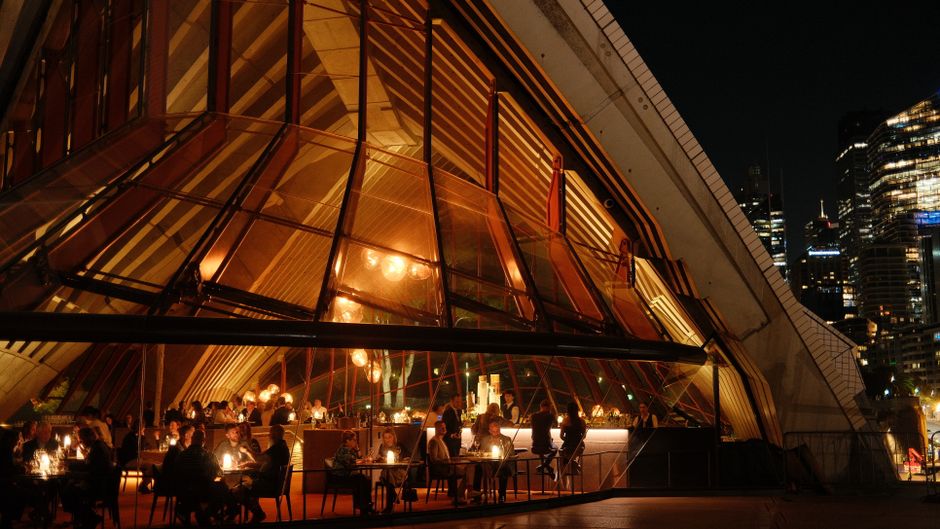
A restaurant’s format shapes what you pay before you even look at the menu. Counter-service and fast-casual formats have lower labour costs and smaller footprints, which translates to lower prices. Full table service, linen, a maître d’, and live music all add to the price per cover. Sydney restaurants in heritage buildings or with harbour and beach views charge a premium for the setting itself, often $15 to $40 more per main than a comparable restaurant in a suburban strip.
How to Get Accurate Quotes
- Check the menu online before you go. Most Sydney restaurants publish current menus on their website or via Google, and prices listed there are generally current within a week or two. This is the fastest way to confirm whether a venue fits your budget before you sit down.
- Call or email ahead for group bookings. If you are dining with more than six people, many Sydney restaurants apply a set menu or minimum spend. Ask about this directly. A set menu at $65 per person for a group of eight may actually offer better value than ordering à la carte.
- Ask whether the venue is BYO or fully licensed. If it is BYO, confirm the corkage fee. For a table of four, choosing a BYO venue can reduce your total spend by $50 to $100 compared with ordering the same number of glasses from a wine list.
- Check for weeknight specials or early-bird pricing. Many Sydney mid-range restaurants offer two-course meals for $35 to $50 if you are seated before 6:30 pm. Pubs in particular run heavily discounted meal deals from Monday to Thursday.
- Use booking platforms to compare prices and read recent reviews. Platforms like Google Maps, Yelp Australia, and OpenTable show current menus, recent photos of dishes, and customer comments that confirm whether the prices listed match the experience delivered.
Red Flags to Watch Out For
- No prices on the menu or website. Any Sydney restaurant that does not publish prices is either updating them frequently due to cost pressures or is deliberately concealing them. Either way, ask before you order.
- A cover charge or bread charge that is not mentioned at the time of booking. Some Sydney fine dining venues charge $5 to $15 per person for bread or amuse-bouche. This should be disclosed upfront, not added silently to the bill.
- Automatic service charges on tables under eight. A 10 to 15 per cent surcharge on public holidays is standard and legal in Australia, but applying it to a table of two on a regular Tuesday is not standard practice and worth questioning.
- Weekend surcharges higher than 15 per cent. Most Sydney restaurants apply a 10 to 15 per cent weekend surcharge to cover penalty rates. Any venue charging 20 per cent or more should display this clearly on the menu, and if it does not, that is worth noting.
- Menus with no seasonal ingredients at premium prices. A restaurant charging $90 per person that uses out-of-season produce, pre-made sauces, and frozen proteins is not delivering value for money at that price point. Check recent reviews that mention food quality, not just atmosphere.
- Pressure to pre-pay for experiences that are poorly reviewed. Some high-end Sydney restaurants now require full payment at booking. This is acceptable if the venue is well-established and well-reviewed, but it is a risk at newer venues with little track record.
Frequently Asked Questions
How much do restaurants cost in Sydney on average?
A typical dinner at a mid-range Sydney restaurant costs between $50 and $90 per person once you include a main course, one or two drinks, and a shared dessert. Lunch at the same type of venue is generally $30 to $55 per person. Budget options (food courts, noodle bars, takeaway) bring that figure down to $12 to $20 per meal, while fine dining pushes it to $150 to $300 or more per person for a full multi-course experience.
Why are some restaurants prices so much cheaper?
Lower prices usually reflect lower overheads, simpler cooking methods, or a different business model. A family-run Vietnamese restaurant in Cabramatta or a student-facing noodle bar near a university operates with lower rent, smaller staff, and bulk-bought ingredients. These venues can serve a filling, well-cooked meal for $14 to $18 because their cost structure allows it. That does not mean lower quality. Some of Sydney’s most consistent and satisfying eating is in these affordable suburbs and formats.
Is it worth paying more for restaurants in Sydney?
For everyday eating, the answer is generally no. Sydney has a very broad mid-market, and spending $35 to $55 per person covers a genuinely good meal at a neighbourhood restaurant with quality ingredients and skilled cooking. Paying $150 or more per person makes sense for specific occasions where the full experience (service, wine pairing, setting, cooking technique) is the point of the meal. For regular weekly dining, directing your budget to well-reviewed mid-range venues in suburbs like Surry Hills, Marrickville, Newtown, or Parramatta gives the best value in the city.
Sydney’s restaurant pricing in 2026 reflects a city where food costs, wages, and rents have all moved upward, but where the range of affordable dining options remains genuinely wide. From a $14 bowl of pho near a university campus to a $220 degustation on the harbour, the city accommodates every budget and occasion. Knowing the typical price bands, the factors that push bills higher, and the practical steps for comparing options before you book puts you in a much stronger position to eat well without overspending.
For a curated list of top-rated providers, see our guide: Best Restaurants in Sydney (2026).