
Quick price summary: Croissant in Sydney (2026)
- Low end: $4.00 – $5.50
- Mid-range: $5.50 – $8.00
- High end / enterprise: $8.00 – $14.00+
Prices in AUD. Last updated 2026.
Sydney’s croissant scene spans everything from no-frills bakery staples to laminated, butter-heavy pastries that take three days to make. Whether you’re after a plain butter croissant with your morning coffee, an almond croissant dusted with icing sugar, or a filled specialty pastry from one of the city’s well-regarded patisseries, what you pay depends heavily on where you go and what goes into the bake. Prices across the city have shifted upward since 2024, driven by rising butter costs, labour, and the growing appetite Sydneysiders have for quality baked goods.
The variation in cost is not random. A croissant baked fresh on-site using French-style lamination, quality butter, and a long fermentation process costs more to produce than one baked from frozen dough in a high-volume café. Specialty pastries like tarts, mille-feuille, and almond croissants carry additional ingredient and labour costs. Location plays a role too: a croissant at a Darlinghurst patisserie or a Paddington bakery will often sit at the higher end of the price scale compared to one from a suburban café in the outer suburbs.
What Do Croissant Cost in Sydney?
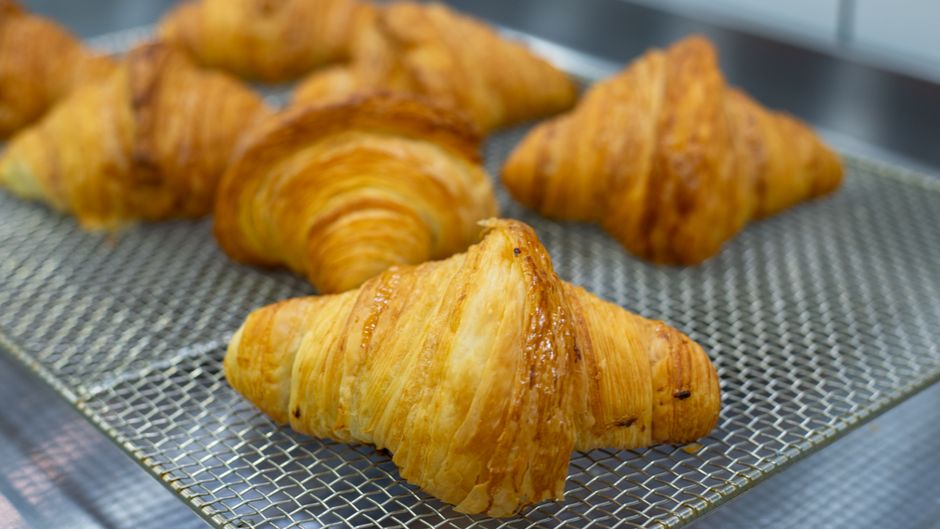
A plain butter croissant in Sydney typically costs between $4.50 and $7.50, depending on the venue. At the budget end, you’ll find croissants at chain cafés and supermarket in-store bakeries for $4.00 to $5.00. Independent bakeries and specialty patisseries charge $5.50 to $8.00 for a standard original croissant. Filled or specialty versions, including almond croissants, chocolate croissants, and cruffins, regularly sit between $7.00 and $10.00. At high-end patisseries or boutique boulangeries, premium pastries can push past $12.00 to $14.00 for a single item.
A coffee-and-croissant combination deal is common across Sydney cafés, often priced at $12.00 to $16.00 for both. Standalone pastry purchases at places like Black Star Pastry, Flour and Stone, Bourke Street Bakery, or La Renaissance Patisserie sit firmly in the mid-to-high range, reflecting the quality of ingredients and the time-intensive baking methods used. Family-owned institutions that have operated for decades, some for over 40 years, often maintain consistent pricing despite the premium positioning of their product.
Price Breakdown by Service Level
| Service Level | What You Get | Typical Price Range | Best For |
|---|---|---|---|
| Basic | Plain croissant baked from frozen or par-baked dough, available at chain cafés, petrol stations, and supermarket bakeries | $4.00 – $5.50 | Budget buyers, grab-and-go, everyday breakfast |
| Standard | Freshly baked original or butter croissant from an independent café or mid-tier bakery, made on-site or sourced from a local wholesale baker | $5.50 – $7.50 | Daily café-goers, neighbourhood bakeries, coffee pairings |
| Premium | Laminated croissant made in-house using quality butter, long fermentation, and skilled pastry technique; includes almond croissants, tart-style pastries, and filled varieties | $7.50 – $10.00 | Pastry enthusiasts, weekend treats, gifts |
| High End / Specialty | Artisan croissants and patisserie-level pastries from specialist boulangeries and destination bakeries; mille-feuille, cruffins, novelty croissants, and seasonal specials | $10.00 – $14.00+ | Special occasions, food-focused visitors, serious baked goods fans |
What Affects the Cost of Croissant in Sydney?
Lamination technique and butter quality
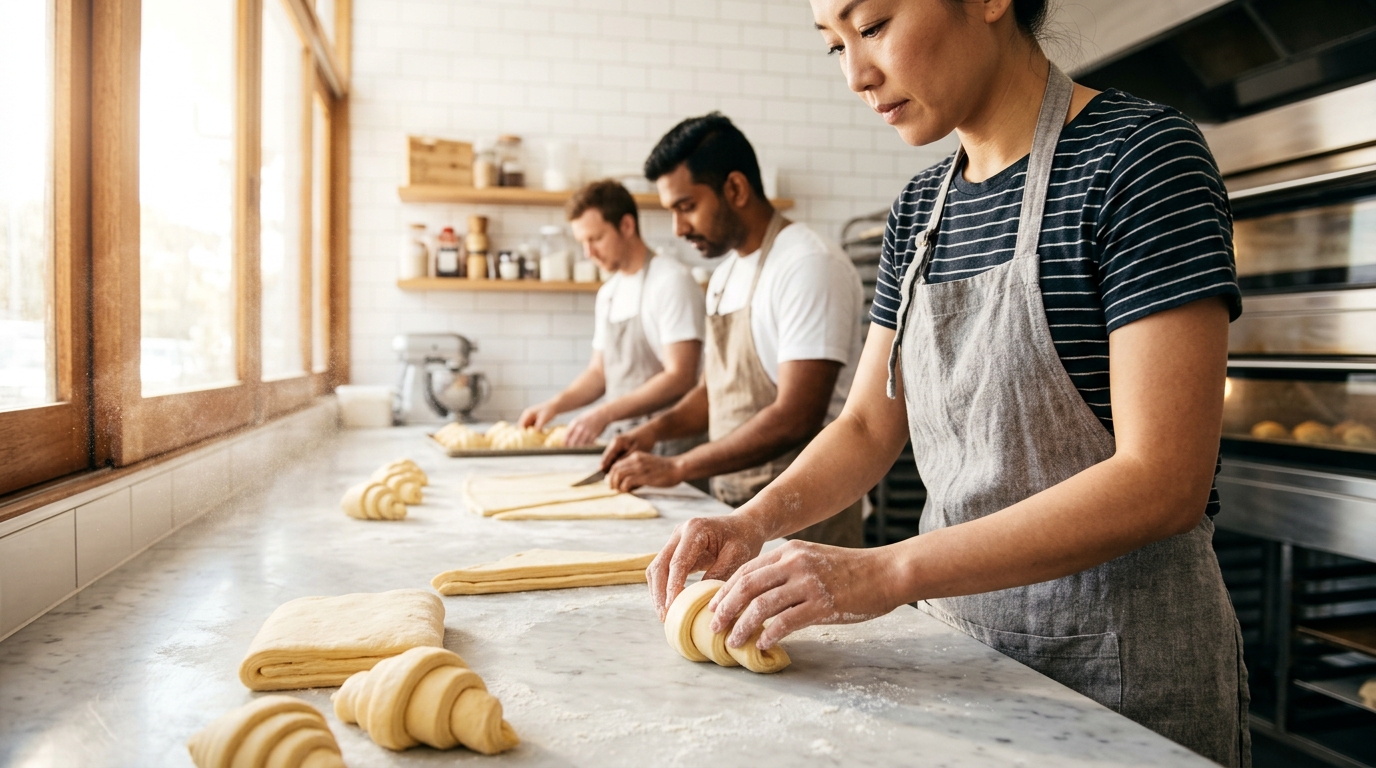
Traditional croissant lamination involves folding butter into dough repeatedly over 24 to 72 hours to create distinct, flaky layers. Bakeries using French-style lamination with high-fat European butter spend significantly more on ingredients and labour than those using standard margarine or butter substitutes. This process is the single biggest driver of price difference between a $4.50 supermarket croissant and an $8.00 artisan one.
In-house baking vs. wholesale supply
Many Sydney cafés source croissants from a wholesale bakery rather than baking on-site. This reduces their cost but also the quality ceiling. Venues that bake from scratch, including operations at Manly, Paddington, and Darlinghurst, pass on the true cost of production. A croissant baked in-house will almost always cost more at point of sale, and for good reason.
Filling and toppings
An almond croissant requires frangipane preparation, toasted flaked almonds, and often a syrup soak before re-baking. Filled croissants with pastry cream, chocolate ganache, or seasonal fruit tarts inside involve more ingredients and more hands-on time. Expect to pay $1.50 to $3.00 more per item compared to a plain original croissant at the same venue.
Location within Sydney
Inner-city and eastern suburbs venues in areas like Surry Hills, Paddington, and the CBD charge more to cover higher rent and operating costs. The same quality croissant can cost $1.00 to $2.00 less at a western suburbs or northern beaches bakery compared to a Darlinghurst patisserie. Outlet-specific pricing applies, so check the venue’s website or social channels before visiting.
Reputation and provenance
Venues with long-standing reputations, some operating as family-owned institutions for over 40 years, price their pastries to reflect their standing in the market. Recognised bakeries such as Bourke Street Bakery, Flour and Stone, and La Renaissance Patisserie command a premium because demand consistently supports it. Newer venues sometimes undercut on price while establishing themselves, then adjust as their reputation grows.
How to Get Accurate Quotes
- Check the bakery’s website or Instagram before visiting. Many Sydney patisseries and boulangeries post their current menu prices online, and some update pricing seasonally or when ingredient costs shift.
- Call ahead if you’re buying in quantity. If you need croissants for a work function, event, or catering order, most bakeries offer bulk pricing that differs from walk-in retail. Ask specifically about minimum order quantities and lead times.
- Visit during opening hours and check the cabinet directly. Online menus are not always current. Outlet-specific opening hours vary across locations, and some specialty items are only available on certain days.
- Compare at least two or three bakeries in your area. A standard butter croissant from a local independent bakery in Manly, Paddington, or Darlinghurst will give you a fair benchmark for what the market currently supports at your quality level.
- Factor in any extras. A coffee-and-pastry deal may appear better value than buying separately, but check whether the croissant included is a plain original or a specialty variety. The gap in quality between the two can be significant.
Red Flags to Watch Out For
- A croissant priced at $3.50 or below is almost certainly baked from frozen dough or a par-baked product. At that price point, fresh lamination is not economically possible.
- Pastries sitting in a display case for extended periods without a posted bake time are unlikely to be fresh. Croissants are at their best within a few hours of baking and deteriorate quickly in humidity.
- Venues that cannot tell you where their croissants come from are most likely reselling a wholesale product. A baker proud of their work will know and share the details.
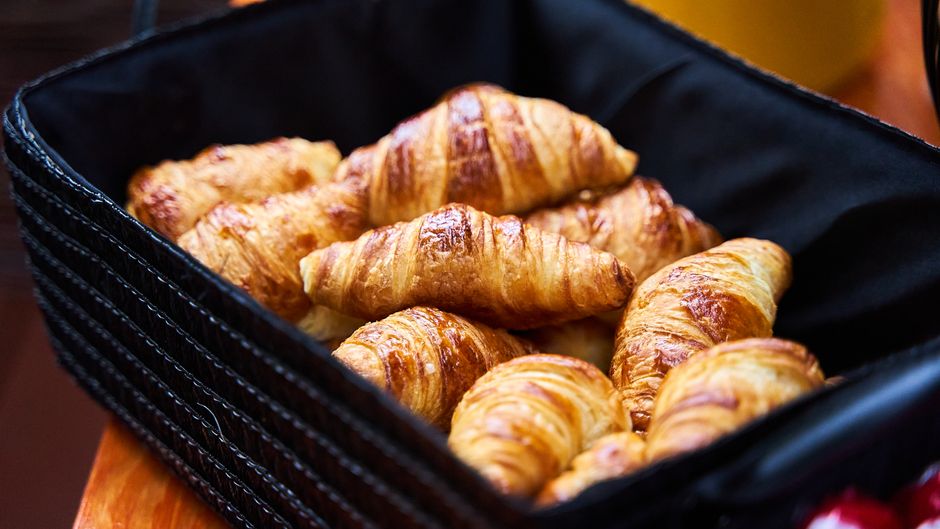
- An almond croissant with a dry, dense filling and no visible lamination in the cross-section has not been made with care. Quality frangipane should be moist and fragrant, and the pastry layers should be clearly visible.
- Unlabelled pastries mixed in alongside croissants without clear descriptions are a minor sign of a venue that does not take its baked goods seriously. Reputable patisseries label every item clearly, including allergen information.
- Bulk discount offers that seem too aggressive can indicate the bakery is moving product that hasn’t sold, rather than offering genuine value on fresh-baked goods.

Frequently Asked Questions
How much do croissant cost in Sydney on average?
The average price for a plain butter or original croissant at an independent Sydney bakery or café in 2026 sits between $5.50 and $7.50. Specialty croissants with almond filling, pastry cream, or tart-style toppings typically cost $7.50 to $10.00. High-end patisserie versions from destination venues can reach $12.00 to $14.00 per item.
Why are some croissant prices so much cheaper?
Cheaper croissants are almost always made from frozen or par-baked dough purchased from a commercial supplier. These products skip the labour-intensive lamination process and use lower-cost fats in place of quality butter. The result is a croissant that looks similar on the outside but lacks the honeycomb interior layers, rich flavour, and flaky texture that define a properly made pastry.
Is it worth paying more for croissant in Sydney?
For everyday breakfast, a mid-range croissant from a good independent café in the $5.50 to $7.50 range offers solid value. If you are specifically after a benchmark croissant experience, the step up to $8.00 to $10.00 at a venue known for its baking is worthwhile. The difference in texture, flavour, and freshness between a frozen-dough product and a properly laminated, in-house baked croissant is immediately apparent, and Sydney has enough quality options to make the comparison easy.
Sydney’s croissant market in 2026 gives buyers a clear spread of options across every price point. A basic croissant does the job at $4.00 to $5.50, but the city’s best patisseries, boulangeries, and artisan bakeries, from long-established family-run operations to newer venues building their reputation across Darlinghurst, Paddington, and Manly, demonstrate what a properly made pastry can be. Spending $7.00 to $10.00 on a croissant from a venue that takes its baking seriously is, for most people who care about the product, money well spent.
For a curated list of top-rated providers, see our guide: Best Croissant in Sydney (2026).