Quick price summary: Spas in Sydney (2026)
- Low end: $2,999 – $7,000 (entry-level spa pools and basic hot tubs)
- Mid-range: $7,000 – $16,500 (standard to premium spa pools with good jet systems and insulation)
- High end / enterprise: $16,500 – $30,000+ (swim spas, commercial-grade units, luxury day spa packages)
Prices in AUD. Last updated 2026.
Sydney’s spa market spans two distinct categories that buyers often conflate: spa pools and hot tubs purchased for home use, and day spa wellness experiences at commercial venues. This guide focuses primarily on spa pools and hot tubs, which represent the larger purchase decision for most Sydney households, while also touching on day spa pricing where relevant. Whether you’re looking at a compact two-person hot tub for a terrace or a full swim spa for year-round family use, understanding what drives the price will help you spend wisely.
Costs vary widely because the spa industry is not uniform. You’re comparing products built in different countries, with different insulation standards, control systems, shell materials, and warranty structures. A $3,000 spa and a $20,000 spa may look similar in a showroom photo, but the components inside, the energy costs over time, and the after-sales support are very different propositions. Sydney buyers also contend with local delivery and installation factors, including access constraints typical of terrace homes and established suburbs.

What Do Spas Cost in Sydney?
Entry-level spa pools start around $2,999 to $7,490 in Sydney. At this price point, you’re typically looking at smaller units with basic jet systems, minimal insulation, and limited control options. These are often imported products with shorter warranties and fewer local service options. Mid-range spa pools, which represent the most popular segment for Sydney families, sit between $7,500 and $16,500. This bracket covers well-built units with solid acrylic shells, multiple water jets, automated sanitising systems, and energy-efficient insulation packages. Premium and swim spa products push into the $16,500 to $30,000 range, with some custom or imported luxury units exceeding that figure.
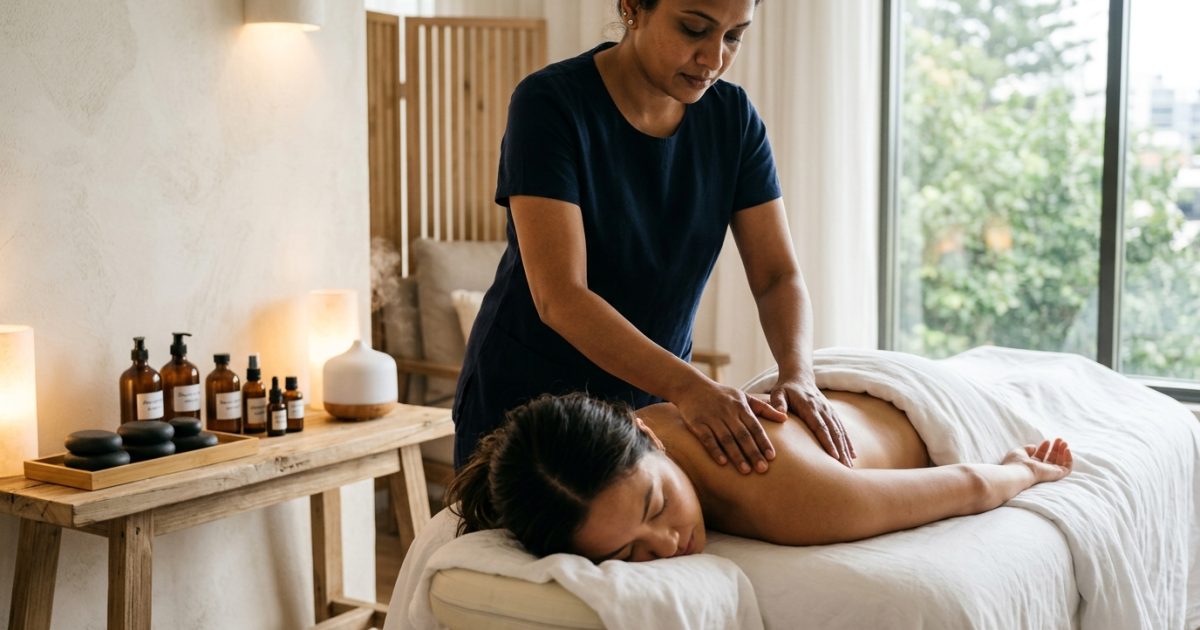
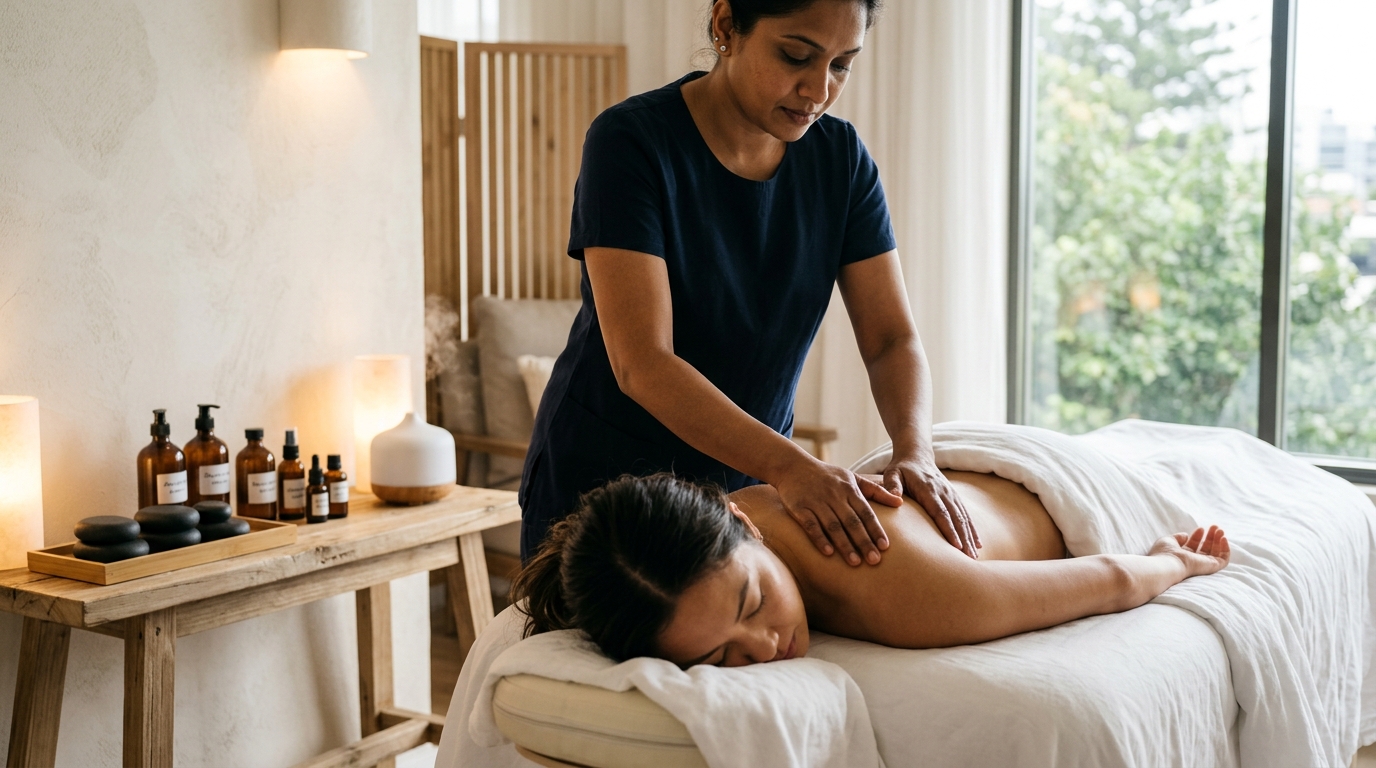
Day spa experiences at Sydney’s commercial wellness venues are a separate cost category. A single treatment such as a massage or facial typically runs $90 to $200 for 60 minutes at a mid-range venue. Full-day bathhouse or wellness packages, including access to pools, saunas, steam rooms, and plunge facilities, generally cost $80 to $180 for general admission, with treatment add-ons priced separately. Premium day spas in areas like the CBD, Potts Point, or the northern beaches charge at the higher end of that scale.
Price Breakdown by Service Level
| Service Level | What You Get | Typical Price Range (AUD) | Best For |
|---|---|---|---|
| Entry-Level Spa Pool | Compact 2-4 person shell, basic jet system, limited insulation, standard cover, short warranty | $2,999 – $7,490 | Budget buyers, renters, small outdoor spaces |
| Mid-Range Spa Pool | 4-6 person acrylic shell, multiple water jets, good insulation, automated sanitising, 2-3 year warranty | $7,500 – $14,490 | Families, regular users wanting reliable performance and lower running costs |
| Premium Spa Pool | Large shell, high-pressure jet system, full insulation package, energy-efficient pump, circulation pump, 5+ year warranty | $14,500 – $20,000 | Serious buyers prioritising longevity, energy efficiency, and recovery or wellness use |
| Swim Spa / Custom | Swim spa with counter-current system, full pool-year-round capability, advanced control system, premium shell and frame | $20,000 – $30,000+ | Households wanting a combined spa and pool solution, year-round exercise use, larger families |
What Affects the Cost of Spas in Sydney?
Where the Spa Is Made
Country of manufacture has a direct impact on price and quality. Spas built in Australia, the United States, or Canada typically use higher-grade components, meet stricter electrical and plumbing standards, and come with stronger local warranty support. Some lower-priced units are manufactured overseas with components that are harder to source locally, which can push up repair costs over time. When buying in Sydney, confirm where the unit was built and whether local replacement parts are readily available.
Shell and Frame Construction
The acrylic shell is the visible surface of your spa, but the frame beneath it determines how long the unit holds its shape and retains heat. Quality spas use a treated timber or high-density plastic frame that resists moisture and warping in Sydney’s climate. Cheaper units often use untreated timber or thin plastic subframes that degrade within a few years. A heavier, well-constructed shell with fibreglass backing holds its form longer and is less prone to cracking under temperature changes.
Jet System and Plumbing
The number and type of water jets, the pump configuration, and the quality of the plumbing all affect the price. A basic spa might have 10-15 jets driven by a single pump. A mid-range unit typically includes 20-40 jets across multiple zones with a dedicated circulation pump running separately from the therapy pump. Premium units offer large-diameter therapy jets for muscle recovery and targeted relief, alongside quieter variable-speed pumps that reduce running costs. More jets alone does not equal better performance; jet size, placement, and pump power all matter.
Insulation and Running Costs
Sydney winters are mild compared to other parts of Australia, but running a spa year-round without good insulation still adds up. Full-foam insulation fills the cabinet completely, reducing heat loss significantly. Partial insulation or reflective barrier systems cost less upfront but can add $30 to $80 per month to electricity bills compared to a fully insulated unit. Over five years, that difference can exceed the initial savings on purchase price. Ask any Sydney spa retailer for an estimated monthly running cost before committing.
Control System and Features
Modern spa control systems allow you to set temperature schedules, monitor water quality, and in some cases manage the unit via a smartphone app. Basic analogue controls are cheaper but offer less flexibility. Digital control systems with programmable filtration cycles and automated sanitising can reduce chemical use and maintenance time. Some mid-to-premium units also include LED lighting packages, Bluetooth audio, and waterfall features, all of which add to the purchase price but contribute to the overall relaxation and enjoyment experience.
How to Get Accurate Quotes
- Visit at least two Sydney showrooms in person. Seeing a spa filled with water and running gives you a far better sense of jet pressure, noise levels, and build quality than any online listing. Ask the showroom to demonstrate the circulation system and jets at full power.
- Request an itemised quote that separates the spa price from delivery, installation, electrical connection, and any fencing or compliance costs required by your local council. In Sydney, many properties require a certified electrician to install a dedicated circuit, which typically adds $300 to $800 to the total cost.
- Ask specifically about the warranty structure. Confirm what is covered for the shell, the jets, the control system, and the frame separately. A headline “5-year warranty” may only apply to the shell, with shorter coverage on components.
- Check whether the retailer is a registered business with verifiable customer reviews on third-party platforms. Look for consistent feedback about after-sales service, not just the purchase experience.
- Get a written estimate of monthly running costs based on Sydney electricity rates. This should factor in the pump configuration, insulation rating, and your intended water temperature.
Red Flags to Watch Out For
- A spa priced significantly below comparable models with no clear explanation of the cost difference. Unusually cheap units often use low-grade pumps, thin shells, or inadequate insulation that results in high running costs and early component failure.
- Retailers who cannot confirm where the spa was manufactured or who cannot provide local spare parts availability. If parts have to be shipped from overseas, repairs can take weeks and cost more than expected.
- Warranties that exclude labour costs. A parts-only warranty means you pay for a technician’s time even on a covered repair, which can be substantial for pump or control system work.
- Pressure to buy on the same day, particularly around “limited stock” or “end of season” claims. Reputable Sydney spa retailers are happy to let you take time, compare options, and return with questions.
- No water test demonstration at the showroom. Any quality retailer should be able to show you the spa running with water so you can assess jet performance, noise, and water circulation before you spend anything.
- Vague or verbal-only delivery and installation commitments. Get every detail in writing, including the exact delivery date, crane or access requirements, and who is responsible for connecting the electrical supply.
Frequently Asked Questions
How much do spas cost in Sydney on average?
For a home spa pool, the average purchase price in Sydney sits around $10,000 to $14,000 for a mid-range 4-6 person unit with a solid jet system and good insulation. Entry-level models start at roughly $3,000, while swim spas and premium units reach $20,000 to $30,000 or more. Day spa wellness experiences at commercial venues average $90 to $160 for a single treatment, or $100 to $180 for full-access bathhouse entry.
Why are some spas prices so much cheaper?
Lower prices generally reflect compromises in one or more key areas: thinner acrylic shells that are more prone to cracking, fewer or smaller jets, minimal insulation that increases monthly running costs, lower-grade pumps with shorter lifespans, and weaker warranty coverage. Some cheaper units are also built overseas with components that are difficult and expensive to replace locally. The upfront saving can be quickly offset by higher electricity bills and repair costs within two to three years of ownership.
Is it worth paying more for spas in Sydney?
For regular use, yes. A mid-range to premium spa pool built with quality components, full insulation, and a reliable control system will cost less to run, require fewer repairs, and last significantly longer than a budget unit. Sydney families using a spa several times a week for muscle recovery, relaxation, or year-round enjoyment will recoup the cost difference in running savings and avoided repairs over a five-to-seven year period. For occasional or seasonal use, a solid mid-range unit is usually the most sensible balance between upfront cost and long-term value.
Buying a spa in Sydney is a long-term decision, and the purchase price is only part of the total cost of ownership. Running costs, maintenance, replacement parts, and the quality of after-sales service from your retailer all shape the real value you get over the life of the product. Spending time in a showroom, asking the right questions, and comparing warranties carefully will put you in a far stronger position than buying on price alone. Sydney has a good range of reputable spa retailers with Australian-built and Australian-stocked options, so there is no need to compromise on quality to find something that fits your budget and your backyard.
For a curated list of top-rated providers, see our guide: Best Spas in Sydney (2026).