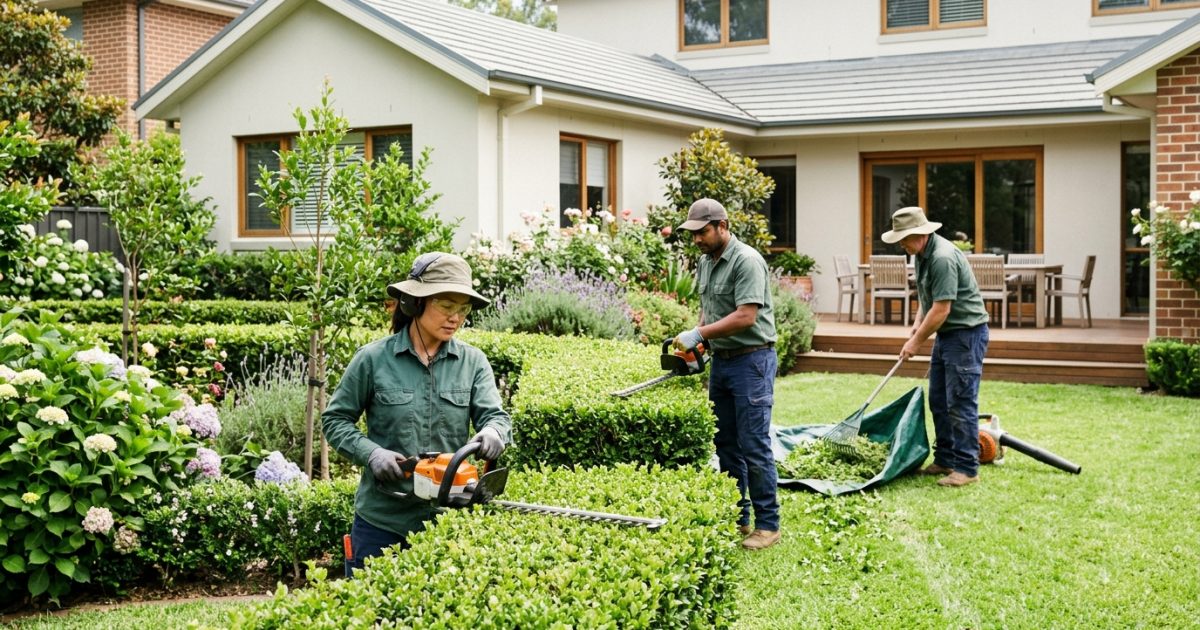
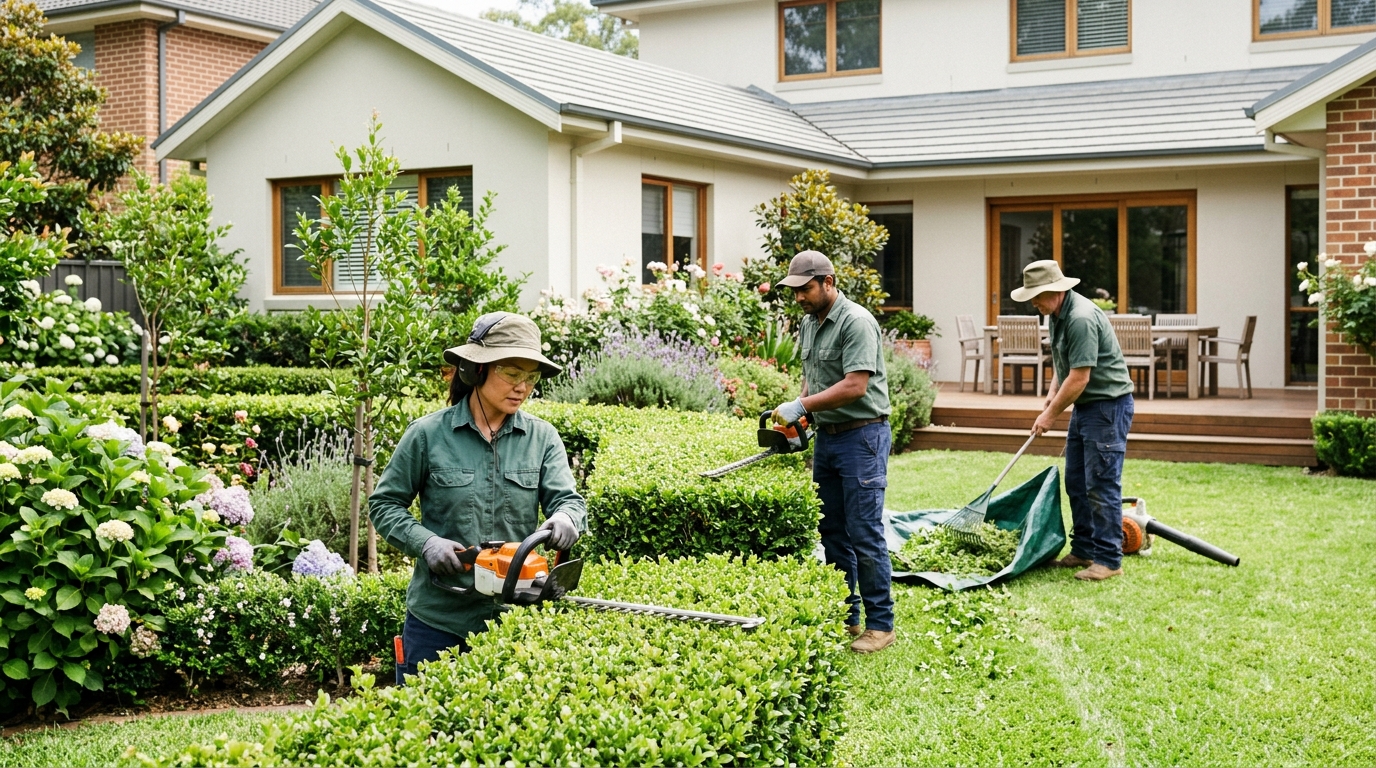
Sydney has a strong pool of professional garden landscapers who handle everything from initial design through to construction, planting, and ongoing maintenance. Companies such as Evergreen Landscaping, Luscious Gardens, and Sydney Landscaping Professionals are among the frequently cited names across the metro area, taking on projects ranging from small courtyard makeovers to large-scale residential and commercial grounds.
What Sydney Garden Landscapers Typically Offer
Most established Sydney landscapers provide a full scope of services under one business. Expect to find garden design consultations, hard landscaping work (retaining walls, paving, decking, and fencing), soft landscaping (planting, lawn installation, garden bed preparation), irrigation systems, and lighting. Many also offer ongoing maintenance packages once the initial build is complete. Some firms, particularly those based in the Hills District or Northern Beaches, specialise in native planting schemes suited to Sydney’s sandstone soils and dry summers.
Costs and What Affects Them
Garden landscaping costs in Sydney vary considerably based on site size, materials, and complexity. A basic lawn and garden bed refresh for an average suburban backyard typically runs between $3,000 and $8,000. A full landscaping project including hard surfaces, planting, and irrigation can range from $15,000 to $60,000 or more for larger properties. Sloped blocks, which are common across Sydney’s inner west and North Shore, add to cost because of earthworks and retaining wall requirements. Most reputable landscapers charge a design fee (commonly $300 to $800) that is credited against the final project cost if you proceed.
How to Choose a Reputable Landscaper in Sydney
Check that any landscaper you engage holds a valid NSW contractor licence. The NSW Fair Trading licence register is publicly searchable and takes less than a minute to use. For projects over $20,000, a written contract is legally required in NSW. Look for membership with Landscapes NSW (the state industry body), which requires members to meet experience and insurance standards. Ask for a portfolio of completed Sydney projects rather than generic stock images, and request two or three client references you can contact directly. Getting at least three quotes is standard practice and gives you a realistic sense of market pricing for your specific job.

Frequently Asked Questions
Do Sydney landscapers require council approval for garden work?
Most residential garden landscaping does not need council approval, but there are exceptions. Retaining walls over 600mm, significant earthworks, tree removal (particularly for trees covered by a Tree Preservation Order), and structures like pergolas above a certain size may require a Development Application or Complying Development Certificate. Your landscaper should flag any approval requirements during the design phase, and you can also check with your local council directly before work starts.
What time of year is best to start a landscaping project in Sydney?
Autumn (March to May) is generally the most practical time to begin in Sydney. Temperatures are moderate, ground conditions are easier to work with than summer heat, and newly planted material establishes well before winter. Spring is also popular. Summer projects are manageable but require more intensive watering of new plantings to compensate for heat and potential water restrictions.
Can a landscaper help with water restrictions and drought-tolerant gardens?
Yes. Many Sydney landscapers now offer specific advice on water-efficient design, including drip irrigation, mulching schedules, and plant selection suited to Sydney’s climate. Native and low-water species such as Lomandra, Westringia, and Grevillea varieties are commonly recommended and require significantly less irrigation once established than traditional exotic plantings.