Types of Dental Clinics in Sydney
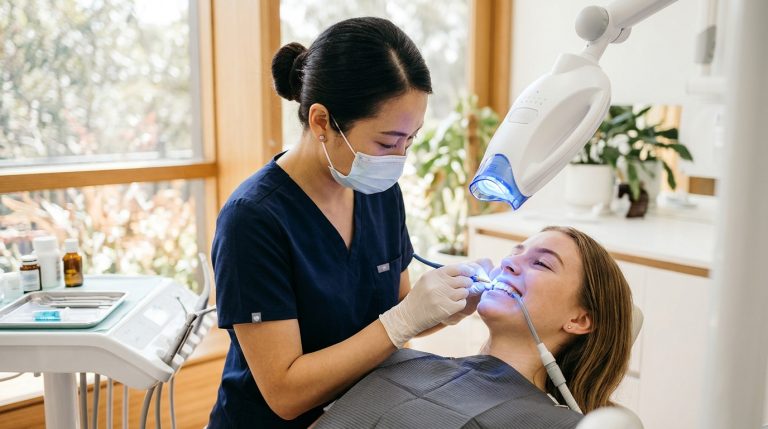
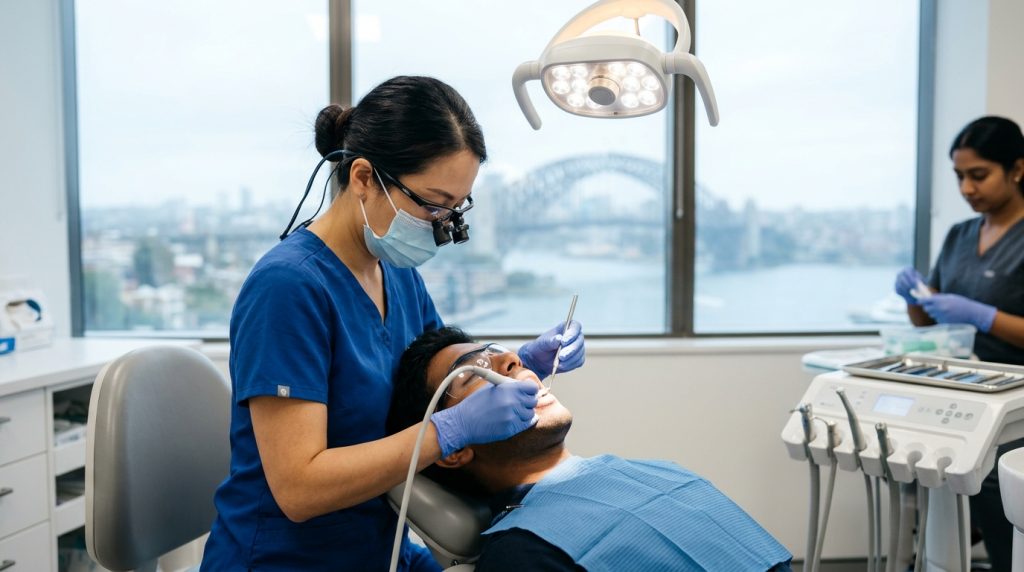
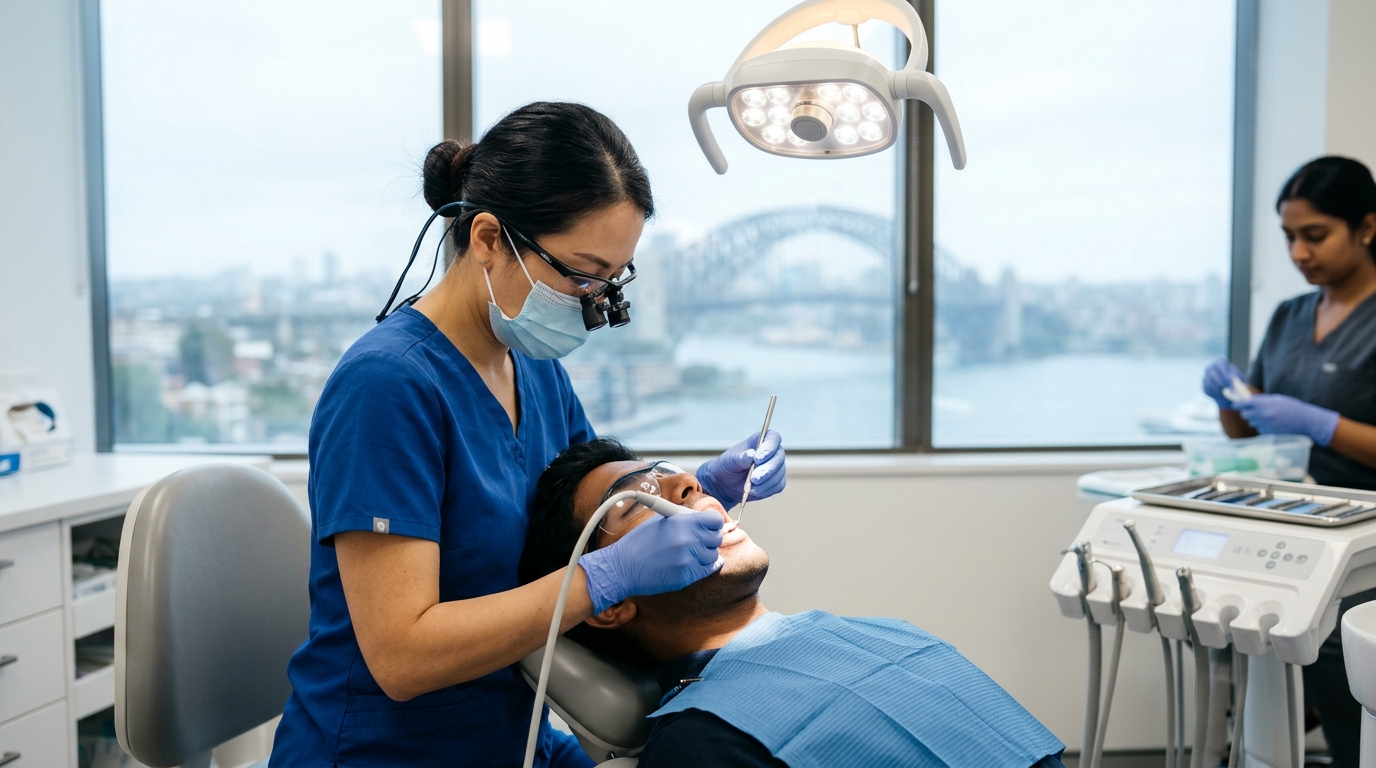
General practices cover check-ups, cleans, fillings, extractions and basic cosmetic work. They make up the large majority of clinics and are the usual first point of contact.
- Specialist clinics: orthodontists (braces and aligners), periodontists (gum disease), endodontists (root canals), oral surgeons and paediatric dentists. Many require a referral from a general dentist, though it is not legally mandatory for private patients.
- Corporate chains: groups such as Pacific Smiles, Dental Corporation and Healthy Smiles operate multiple Sydney sites, often with extended hours and weekend appointments.
- Independent practices: owner-operated clinics, common in suburban centres, where you tend to see the same dentist at each visit.
- Public dental services: provided through NSW Health local health districts, with eligibility limits described below.
- University clinics: the Sydney Dental Hospital (Surry Hills), linked with the University of Sydney, treats public patients and trains dental students.
Costs and Payment Options
Dentists set their own fees in Australia, so prices vary between clinics and suburbs. The Australian Dental Association publishes a national schedule of items that many dentists reference, but it is a guide rather than a fixed price list. Ask for a written treatment plan and itemised quote before any major work begins.
- Private health insurance: extras cover usually pays a percentage of each item up to annual limits, with waiting periods for major dental work. Check your policy for the annual cap and any preferred-provider arrangements.
- Payment plans: many clinics offer interest-free instalment arrangements for larger treatments. Confirm terms in writing.
- Child Dental Benefits Schedule: eligible children aged 2 to 17 can receive Medicare-funded basic dental services. Confirm current eligibility and the benefit cap with Services Australia.
Public Dental Care and Eligibility
NSW Health provides free public dental care to eligible adults and children through local health districts. Adults generally need to hold a Health Care Card, Pensioner Concession Card or Commonwealth Seniors Health Card. Children under 18 are eligible if they are covered by Medicare. Waiting times for non-urgent public treatment can run from several months to over a year in some districts, while urgent cases are prioritised.
Confirm current eligibility rules and find your local service through these official sources:
- NSW Health
- Services Australia (Child Dental Benefits Schedule)
- Ahpra (to check a dentist’s registration)
Rules checked November 2026.
How to Choose a Clinic
Every dentist practising in Australia must be registered with the Dental Board of Australia through Ahpra, and you can search the public register online to confirm a practitioner’s status. Beyond registration, compare these points:
- Location and hours: proximity to home or work affects how consistently you attend, and early, late and Saturday appointments are common in the CBD and major hubs.
- Emergency access: ask whether the clinic reserves same-day slots for toothache, broken teeth or lost fillings.
- Health fund arrangements: clinics with on-the-spot claiming reduce out-of-pocket gaps at the counter.
- Sterilisation and infection control: clinics should follow the Dental Board of Australia’s infection control guidelines, and you are entitled to ask about their procedures.
Frequently Asked Questions
How often should I see a dentist in Sydney?
Most dentists recommend a check-up and clean every six to twelve months. People with gum disease, a high cavity risk or diabetes may be advised to attend more often.
Where can I find an emergency dentist in Sydney?
Many private clinics keep emergency appointments, and some advertise after-hours services. For severe swelling, facial trauma or bleeding that will not stop, go to a hospital emergency department. Public patients with urgent needs can contact their local health district’s dental service.
Do I need a referral to see a dental specialist?
Not for private treatment, though most specialists prefer one so they have your history and X-rays. Private health funds usually do not require a referral for rebates, but check your policy first.
Missing from this guide?
Tell us about your business and we'll check it at the next update.